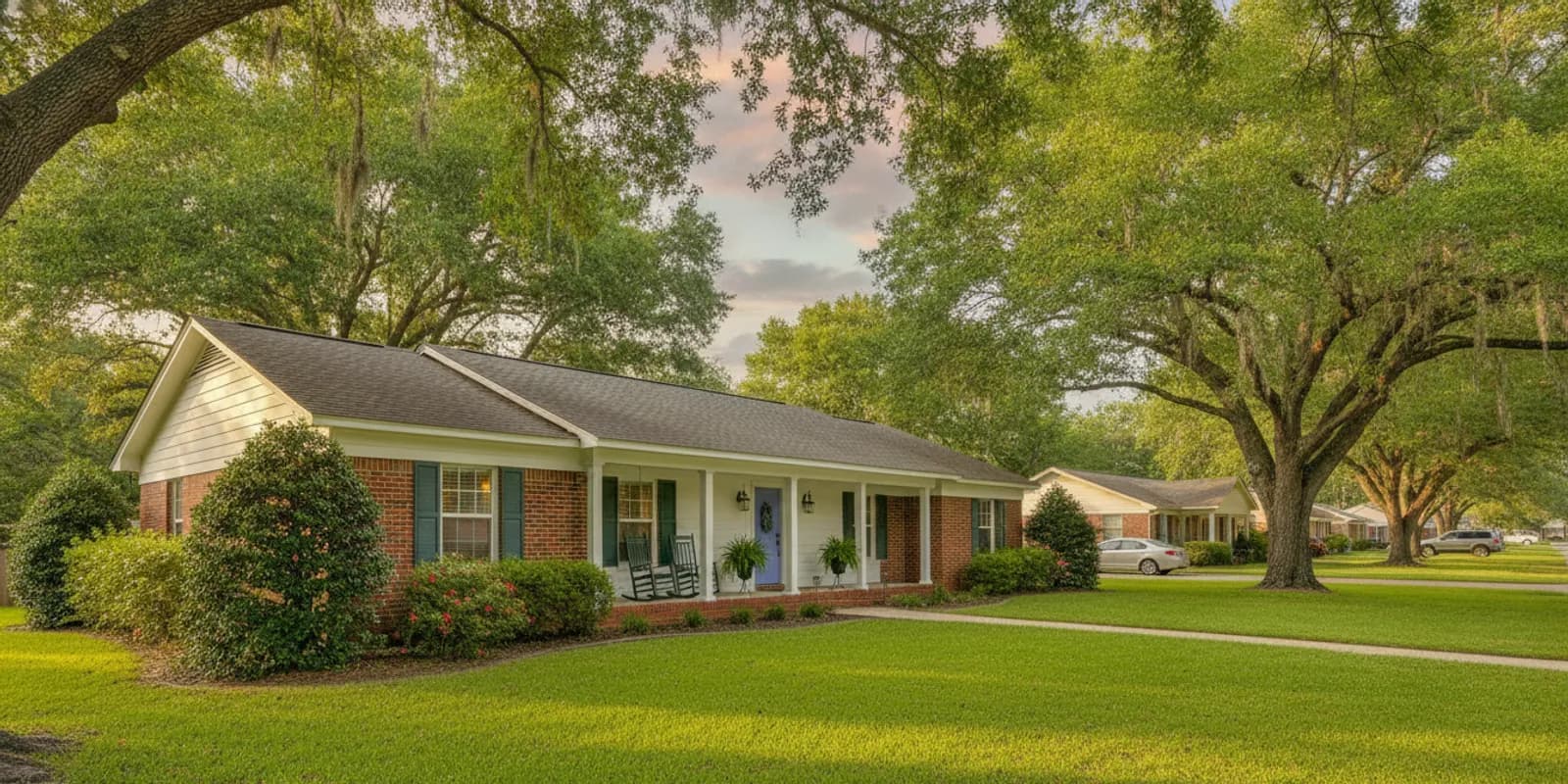
If you are searching for homes for sale in Haughton, LA, begin with more than the asking price. Compare each home’s location, condition, likely monthly cost, school assignment, and timeline so you can tell whether it fits your needs before you write an offer.
Talk through your Haughton home search
How should you search listings in Haughton?
Start with a clear search area, a realistic payment range, and a short list of non-negotiables. Haughton searches can include different types of settings and properties, so use listing filters as a starting point, then check each home’s details and location before deciding whether it deserves a tour.
Write down what matters most: number of bedrooms, usable living space, yard size, garage or storage needs, commute, and preferred move-in timing. Separate essentials from preferences. A flexible buyer might accept an older kitchen but need a specific number of bedrooms; another may prioritize a manageable yard or a particular commute.
Then search by more than the town name. Check the map and address for every promising listing. A search radius can include homes outside the area you intended, while a narrow boundary may omit a property that fits. Pay attention to whether a listing is an existing home, a newly built home, or land with a proposed build. Those choices involve different timelines and questions.
Save a manageable group of listings rather than relying on a long favorites list. For each one, note the asking price, days on market if shown, property type, condition, lot, and any stated restrictions or included features. Listing details can be incomplete or change, so confirm material information with the listing professional and review the property documents before relying on it.
Make your search repeatable. Once or twice a week, review new listings against the same priorities instead of changing filters each time. Keep a short note for each home: what fits, what does not, and what needs verification. For example, “layout works; confirm roof age; map commute at normal travel time” is more useful than saving a listing without recording why it caught your attention. This also helps you notice when a home is attractive in photos but misses an essential requirement.
If your search may expand across the area, compare the broader Bossier City home search as a separate option. The right comparison is not simply which place has a lower list price; it is which home and location fit your finances, routine, and priorities.
What should you know about Haughton prices and inventory?
List prices are snapshots, not a promise of a home’s value or its eventual sale price. Inventory and pricing can shift as listings enter or leave the market, and two homes with similar asking prices may differ in condition, lot, age, and included features. Compare current listings and recent comparable sales rather than relying on a general price claim.
Older online articles and reports can offer background, but they cannot tell you what a home should cost today. For example, a U.S. Department of Housing and Urban Development regional housing report included a historical Haughton price range. That dated reference is useful only as context; it should not be treated as current pricing or a present-day valuation. Read the HUD Shreveport-Bossier City housing report, and check the report’s date and scope when interpreting it.
For an active search, compare homes with similar features and locations. A renovated property and a home needing major work are not direct substitutes just because both have three bedrooms. Consider lot size, usable square footage, age and condition of major systems, and whether the asking price reflects updates that matter to you. A real estate professional can help identify comparable properties, but you should still ask what makes each comparison relevant.
Inventory also affects how you plan. If several suitable homes are available, you may have time to compare and ask questions. If few fit your criteria, decide in advance which preferences you could adjust without stretching your budget or overlooking a serious concern. In either case, avoid treating an advertised price as the whole cost. Taxes, insurance, utilities, maintenance, and any required repairs contribute to the ownership picture.
A practical price comparison uses a small set of genuinely similar homes. Start by selecting properties with a comparable location and type, then adjust your thinking for differences you can identify: condition, usable space, lot, and included improvements. Do not assign a precise dollar value to each difference unless a qualified professional has reliable support for it. Instead, write down why one home seems more or less suitable and what evidence would change your view.
How can you compare locations and property types?
Compare each address by the daily life it supports, not by a broad label such as “in town” or “country.” Haughton-area listings can differ in setting, lot, access, and upkeep. Map the route to work and routine destinations, inspect the property’s surroundings, and verify any location-specific details that affect your plans.
During a first review, look at the map, lot description, and photographs together. Ask whether the street and surroundings match your expectations for traffic, privacy, outdoor space, and maintenance. A larger parcel may offer room for outdoor use, but it may also call for more upkeep. A smaller lot could reduce yard work but may not provide the outdoor space you want.
Do not assume that nearby homes share the same services, restrictions, or upkeep responsibilities. Ask about the property’s access, utility arrangements, recorded restrictions, and any association obligations if applicable. Confirm details through the appropriate records and professionals rather than treating a listing description as a complete legal or technical review.
Use a consistent comparison sheet to keep the trade-offs visible:
| Option | What to compare | Questions to verify |
|---|---|---|
| Existing home | Condition, age of major systems, layout, lot, and current asking price | What repairs or updates may be needed, and what inspections are appropriate? |
| New construction | Base price, included features, options, completion stage, and estimated timing | What is included in writing, what may cost extra, and what happens if timing changes? |
| Home on a larger or more rural parcel | Land size, access, upkeep, services, and any recorded restrictions | Which property-specific details need confirmation before making an offer? |
| Home in a more compact setting | Street access, available outdoor space, maintenance, and nearby routine destinations | Does the setting work for your day-to-day needs and long-term plans? |
These are comparison categories, not claims that any one property type is better. Walk the area at different times when practical, and base your decision on what you observe and verify for the specific address.
What should buyers ask about new construction?
New construction can provide a different path from buying an existing home, but the advertised price may not describe the finished home you expect. Confirm the specific lot, what the quoted price includes, the available options, the expected construction schedule, and the written process for changes before comparing it with a resale listing.
Ask for an itemized explanation of included features and optional upgrades. Clarify whether quoted amounts include items you consider essential, such as particular finishes, appliances, landscaping, or other site-related work. Do not assume a model home’s appearance or display features are part of the price. Request the relevant documents and keep written records of selections and commitments.
Discuss construction timing and contingencies with the builder and your real estate and lending professionals. A projected completion date can change, and a buyer’s move-in plans may depend on it. Ask how progress updates are provided, what decisions have deadlines, and how a delay could affect financing, temporary housing, or the sale of your current home.
Also ask what inspections are permitted and when they can occur. New does not mean you should skip careful review. Understand how the builder handles a walkthrough, documentation of unfinished items, and any warranty information. For another practical checklist on comparing new homes in the area, see this guide to move-in-ready new homes in Bossier City.
How do you verify Bossier Parish school information?
Use the property’s exact address to check current school assignment information, and confirm it directly with the appropriate school district before making a decision. Do not assume that a listing’s school references establish eligibility, guarantee placement, or remain current; boundaries, programs, and policies can change.
If school access is important to your household, make it an early research item rather than a last-minute check. Ask which district serves the address, then confirm assignment and enrollment requirements with the district. If you have questions about a particular program, grade, transportation, or capacity, contact the school or district that administers it.
Look beyond a school name in a listing. Confirm the address is accurate, and ask whether the information is current. If you are comparing multiple homes, check each address independently; nearby properties may not necessarily have the same assignment. Keep notes about the source and date of the information you receive.
A useful verification note includes the property address, the district office or official tool consulted, the date you checked, and any follow-up question. If the answer depends on a program, grade, enrollment date, or other circumstance, state that plainly when you ask. A broad school reference in an advertisement is not the same as confirmation for a specific household. Recheck if your purchase timeline is lengthy or if the district tells you information may change.
School research is only one part of the purchase decision. Consider your route, household schedule, and the home’s fit alongside school questions. For local context beyond a property search, L&N Associates also has a guide to living in Shreveport; use it as regional background rather than a substitute for address-specific verification in Haughton.
How should you prepare financing before touring?
Set a comfortable monthly-payment range before you start making decisions based on list prices. Talk with a lender about your budget, financing options, estimated cash needed, and the documents required for preapproval. A lender can explain loan-specific terms; your final costs and approval depend on your circumstances and the property.
When comparing a lender’s estimate with your budget, ask what is included and what is still uncertain. The purchase price is only one part of the total. Ask about down payment, closing costs, taxes, insurance, lender fees, and the cash reserve you want to keep after closing. A preapproval is a planning tool, not a guarantee that a loan will close on every home or on a particular timeline.
Discuss the property type and your expected timing with the lender. An existing home and a home being built may require different timing and coordination. If you are considering a particular financing program, confirm current eligibility, documentation, and property requirements with the lender instead of relying on a general online summary.
Decide your personal limit before an offer situation creates pressure. The amount a lender may be willing to lend and the payment that feels sustainable to you are not necessarily the same. Leave room in your plan for maintenance, utilities, and unexpected costs. If you are selling another property or coordinating a move, include that timing in the discussion early.
What happens during the local home-buying process?
A clear process helps you move from browsing to a considered offer without skipping important checks. Typically, buyers define their needs, review listings, tour suitable properties, prepare financing, make an offer, complete agreed inspections and lender requirements, and work toward closing. The specific contract terms and timing depend on the transaction, so get professional guidance.
- Set priorities. Choose a budget range, preferred areas, essential features, and acceptable trade-offs.
- Prepare financing. Speak with a lender and gather the documents needed for a useful preapproval discussion.
- Review listings. Confirm location and property details, and note questions before arranging a tour.
- Tour and investigate. Look at condition and layout, then decide which qualified professionals or inspections can help assess concerns.
- Discuss an offer. Review price, dates, requested terms, and any contingencies with your real estate professional before signing.
- Complete the contract period. Track deadlines, inspections, lender requests, title work, and other items specified in your agreement.
- Prepare for closing. Review final figures and documents with the appropriate professionals, then confirm what you need to bring and when possession occurs.
Before touring, write down a few questions for each property: What is the home’s condition? What facts remain unverified? What would change your decision? After a tour, record your impressions while they are fresh. This makes comparisons easier and helps keep enthusiasm for a single feature from obscuring costs or unanswered questions.
A tour is a chance to observe, not a substitute for a professional inspection or document review. Walk through the rooms in the same order at each home. Notice layout, storage, visible wear, natural light, and whether the space can support your daily routine. If something concerns you, write down the location and question rather than trying to diagnose the cause on the spot. Take notes after leaving so you can compare homes without relying on memory.
For a broader look at buying and selling options across the service area, visit the buy or sell a home in Shreveport-Bossier page. When you are ready to compare a Haughton property with other choices, a local conversation can help organize the questions without replacing your own review of documents, condition, financing, and terms.
Ask about your Haughton home search
Frequently asked questions
Every Haughton purchase is specific to the property, buyer, and contract. These quick answers can help you plan your next research step, but they are not a substitute for confirming current listing details, school information, financing terms, or legal obligations with the relevant professionals.
Are Haughton home prices the same across every area?
No. Asking prices reflect the individual home and its features, condition, lot, and location. Compare similar current listings and recent sales, and do not treat an old report or a town-wide estimate as a valuation for a particular property.
Should I consider new construction as well as existing homes?
It can be useful to compare both if the timing and budget fit. For new construction, verify included features, optional costs, construction timing, inspection access, and written terms. For an existing home, investigate its condition and likely maintenance needs.
How do I find the right school assignment for a home?
Use the exact property address and confirm the current assignment and any enrollment questions directly with the appropriate school district. Do this for each property rather than relying only on listing information.
What should I do before scheduling a showing?
Review the listing and map, identify questions about condition or location, and discuss financing readiness with a lender. If the home still fits your priorities, arrange a visit and use it to assess the property—not just its photographs.
A well-planned search gives you room to compare homes, confirm important details, and choose a property that fits both your day-to-day needs and your financial comfort.