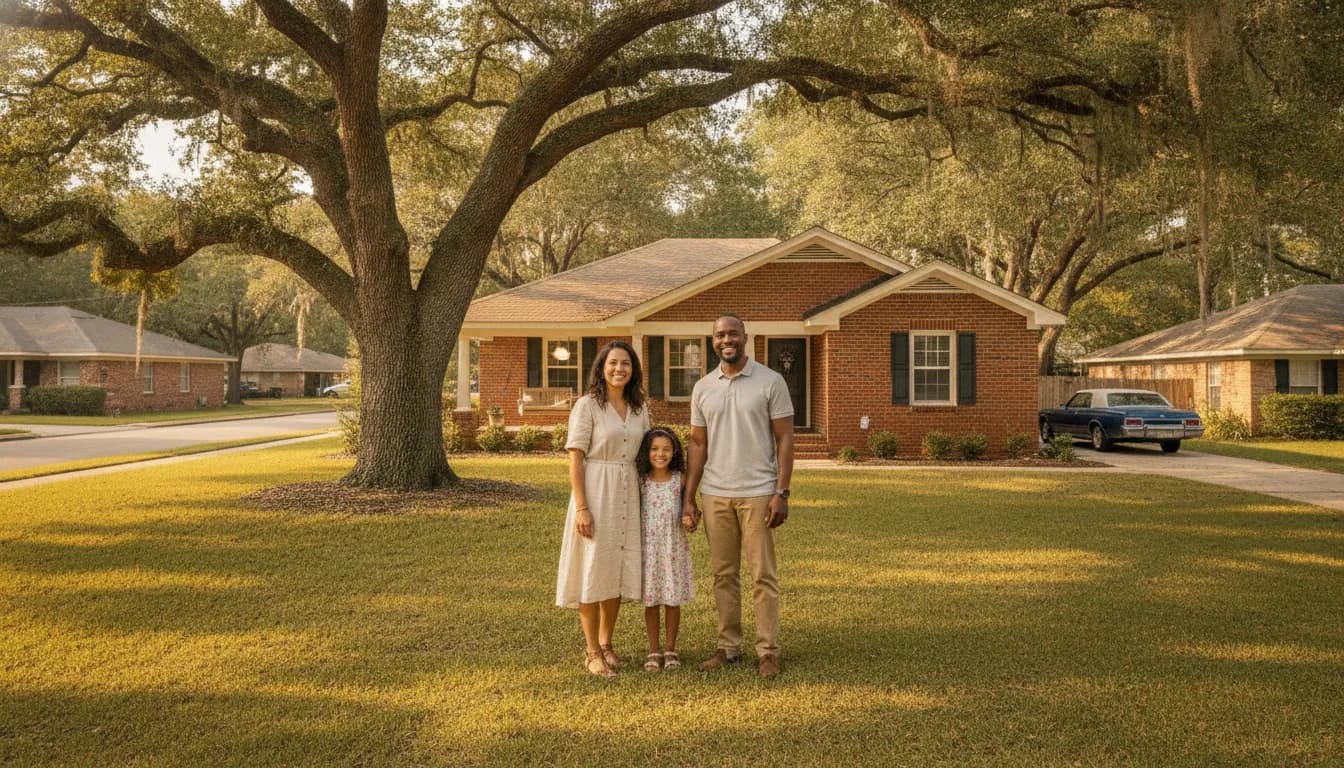
Living in Shreveport Louisiana can mean historic neighborhoods, practical housing choices, short in-town drives, and access to a regional mix of culture, healthcare, education, and outdoor recreation. It can also mean comparing areas carefully instead of treating the city as one uniform market. This guide gives relocating households and prospective buyers a starting point for evaluating neighborhoods, monthly costs, commutes, schools, and day-to-day fit.
Call L&N Associates at (318) 656-1030 to discuss your Shreveport home search.
What is it like living in Shreveport Louisiana?
Living in Shreveport Louisiana offers a mid-sized city setting with a broad range of older and newer housing, a distinct local arts and food scene, and access to the wider Shreveport-Bossier region. The city is on the west side of the Red River, while Bossier City is across the river. That geography matters when comparing schools, commutes, services, and housing.
Shreveport is not best understood through one citywide label. Highland does not feel like South Shreveport, and a home near the Red River is a different daily experience from one near the southern commercial corridors. A good relocation decision starts with the household's routine:
- Where will each adult work, and when will the commute happen?
- Do you prefer historic architecture, a conventional subdivision, a larger lot, or a lower-maintenance home?
- Will school assignment, magnet programs, or proximity to a campus affect the decision?
- How much driving, yard work, renovation, and neighborhood upkeep fit your lifestyle?
- Would living in Shreveport itself be more practical than comparing nearby Bossier City communities?
For a current baseline, the U.S. Census Bureau's Shreveport QuickFacts lists a 2025 population estimate of 175,902, a 2020-2024 median value of owner-occupied homes, median gross rent, and a mean commute of 18.8 minutes. These are citywide reference points, not a quote for a particular home or neighborhood.
Which Shreveport neighborhoods should relocating buyers compare?
Relocating buyers should compare Shreveport neighborhoods by housing style, route, services, and block-level conditions rather than by a single "best neighborhood" list. Highland and South Highlands are associated with established, tree-lined homes and central access. Broadmoor offers a long-established residential setting near everyday shopping. South Shreveport includes newer suburban-style development and major retail corridors, while Downtown and the riverfront appeal to buyers who value cultural destinations and an urban setting.
| Area to explore | What may appeal to buyers | Questions to verify |
|---|---|---|
| Highland | Historic character, mature trees, and central location | Age and condition of major systems, parking, street noise, and flood or drainage questions |
| South Highlands | Established homes, landscaping, and access to central services | Renovation history, insurance requirements, school assignment, and daily route |
| Broadmoor | Established housing and convenient access to shopping and services | Lot condition, traffic near major corridors, and long-term maintenance needs |
| South Shreveport | More suburban patterns, newer homes in some sections, and retail access | Exact subdivision rules, commute at peak times, drainage, and future construction |
| Downtown and the riverfront | Arts, events, restaurants, and a more urban lifestyle | Building type, parking, noise, association rules, and the difference between event-day and ordinary-day activity |
Neighborhood names are useful for starting a search, but they do not replace an address-level review. Walk the immediate streets at different times, check the route to work and school, inspect nearby services, and ask for current information about taxes, insurance, flood exposure, and planned changes. The city government's Block by Block program also shows why conditions and reinvestment can vary by neighborhood and change over time.
How should you evaluate Shreveport housing costs?
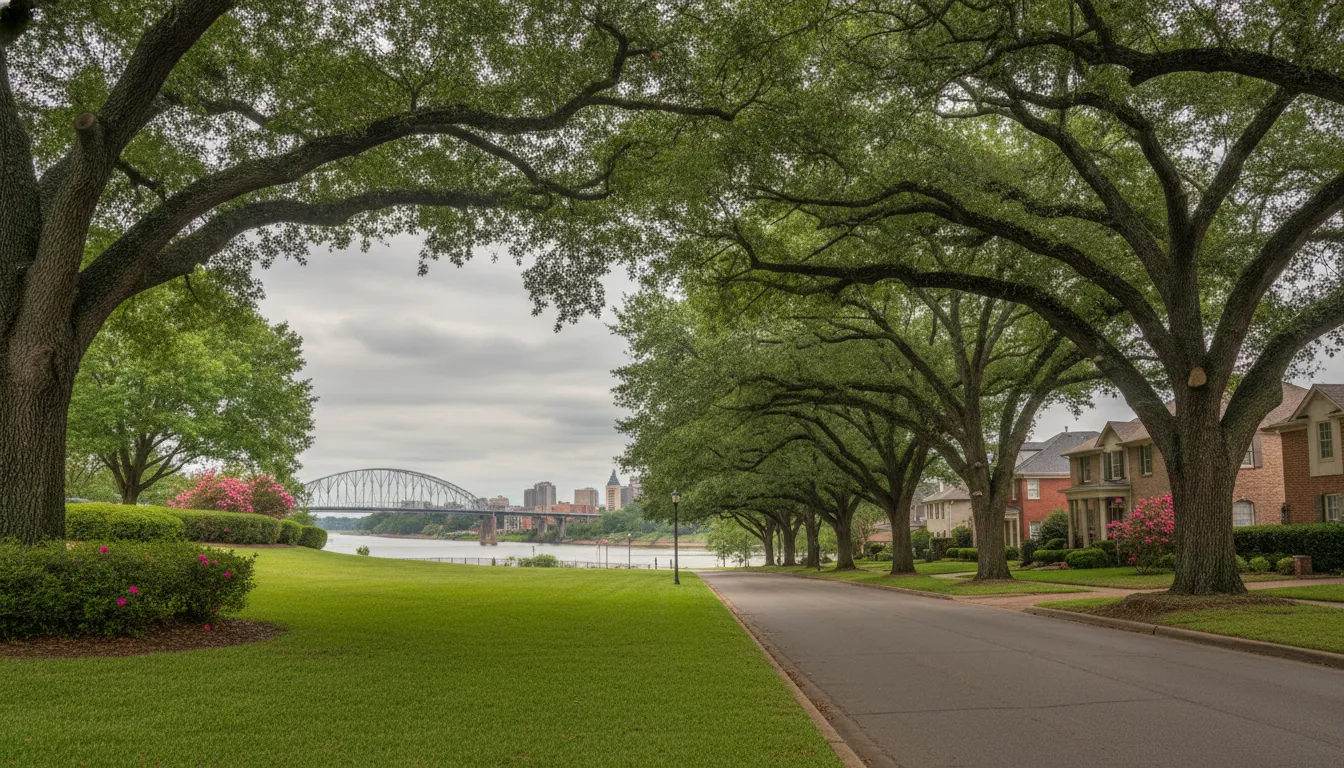
Shreveport housing costs should be evaluated as a complete monthly budget, not just a listing price or rent figure. The Census reference values provide useful citywide context, while the latest metro listing data can describe a different geography and metric. Buyers should separately model principal, interest, taxes, insurance, utilities, maintenance, commuting, and any renovation before deciding what feels affordable.
The Federal Reserve Bank of St. Louis FRED series for the Shreveport-Bossier City metro reports a current median listing-price reference for the metropolitan area. That figure covers a broader geography and is a listing-price measure, so it should not be substituted for Shreveport city assessed values, closed-sale prices, or a specific home's market analysis.
Costs buyers should put on the worksheet
- Purchase or rent payment: Compare the full payment, not only the advertised price.
- Property taxes: Confirm the current tax record, exemptions, and any changes after purchase.
- Insurance: Ask about homeowners, wind, flood, and other coverage relevant to the address.
- Utilities: Older homes and larger lots can carry different heating, cooling, water, and maintenance demands.
- Repairs: Roof age, electrical service, plumbing, HVAC, foundation drainage, and tree work deserve attention.
- Transportation: A lower purchase price may not offset a longer commute or additional vehicle costs.
When comparing an older Highland or Broadmoor home with a newer home farther south, compare the total cost of ownership and the time required to maintain each property. Neither housing style is automatically the better value. The right answer depends on cash reserves, tolerance for projects, desired location, and the length of time you expect to stay.
What should families know about schools and address checks?
School research is an address-specific part of relocating to Shreveport. The same city can include different attendance zones, magnet options, private schools, and specialized programs. A neighborhood reputation or an old listing description is not enough to establish current eligibility. Confirm the exact address, grade level, transportation rules, enrollment process, and program requirements before making an offer.
The Caddo Parish Public Schools website is a starting point for district information, registration resources, and school contacts. Buyers should still verify the address directly with the district because boundaries, programs, and enrollment requirements can change. If a specific school is central to the move, make that verification part of the due-diligence timeline rather than a last-minute assumption.
Families should also visit the route and the campus when possible. Ask how long the morning trip takes, where pickup occurs, how after-school care works, and whether the home's location supports the household's schedule. If a buyer is considering Bossier City or another nearby community for school or commute reasons, compare the complete routine rather than assuming crossing the river will be a minor change.
How do Shreveport commutes and transportation affect daily life?
Commute fit in Shreveport depends more on the specific origin, destination, shift, and bridge or corridor used than on a citywide average. The Census mean commute is a helpful baseline, but a route to a hospital, school, industrial employer, Barksdale Air Force Base, or a regional airport may behave differently at peak times. Test the route when you would actually drive it.
Common trip patterns can include movement along I-20, I-49, Youree Drive, Line Avenue, Bert Kouns Industrial Loop, and the bridges connecting Shreveport with Bossier City. Those corridors serve different parts of the metro and can feel very different during school drop-off, work peaks, events, storms, or road construction. Use a map for orientation, then drive the route and check parking, turning movements, and backup options.
Households that do not want every trip to require a car should review routes and schedules through SporTran, the area's public transit provider. Transit access can vary sharply by block, so confirm the stop location and schedule for the exact home. Remote workers should still assess grocery, healthcare, school, and recreation access because those trips shape the daily experience even when the work commute is zero.
What can residents do in Shreveport?
Shreveport's amenities span museums, live events, restaurants, parks, recreation programs, and family attractions. The city is a regional center, so residents can find more variety than the neighborhood alone may suggest. The best fit depends on whether you want walkable event access, quiet streets near parks, convenient shopping, outdoor activities, or a short drive to healthcare and schools.
The City of Shreveport's community guide highlights destinations such as the Shreveport Aquarium, Sci-Port Discovery Center, the R.W. Norton Art Gallery, the Municipal Auditorium, and local festivals. These provide useful orientation for people deciding whether the city's cultural and entertainment mix matches their expectations.
For recreation, the city's SPAR programming guide describes parks, community centers, pools, spray parks, sports facilities, and event services. When comparing homes, look beyond a single attraction. Check the ordinary Tuesday experience: grocery access, parks, restaurants, libraries, childcare, medical care, and the time it takes to reach the activities your household uses most.
What due diligence matters before buying in Shreveport?
Before buying in Shreveport, combine property, neighborhood, insurance, school, and route checks into one written decision process. Louisiana weather, older housing stock, drainage, trees, and block-level differences make practical due diligence especially important. A buyer should understand not only whether a home looks attractive, but also what ownership may require after closing.
- Confirm the address and legal property details. Review parcel information, taxes, easements, restrictions, permits, and any association requirements.
- Order a thorough inspection. Pay close attention to roof, HVAC, electrical, plumbing, foundation, drainage, attic, and signs of moisture.
- Review insurance early. Request quotes before the end of the due-diligence period and ask what exclusions or deductibles apply.
- Check flood exposure and drainage. Use the FEMA Flood Map Service Center as one reference, then ask qualified professionals about the specific property and current insurance requirements.
- Verify schools and commute. Confirm the exact attendance information and test the route at the relevant times.
- Visit more than once. Notice traffic, noise, lighting, drainage after rain, parking, nearby vacancies, and the condition of surrounding streets.
- Build a post-closing reserve. Leave room for ordinary maintenance and the unexpected repairs that accompany homeownership.
This process is not intended to replace an inspector, insurer, lender, attorney, tax professional, or public agency. It gives a relocating buyer a way to identify questions early and avoid making a decision from a single showing or a citywide statistic.
Who is a good fit for living in Shreveport Louisiana?
Shreveport may fit buyers who value housing choice, regional amenities, manageable in-town distances, and the ability to choose between historic, established, and newer residential settings. It can appeal to first-time buyers, families, healthcare and education workers, remote workers, military-connected households, and people relocating from higher-cost metros. The fit depends on the buyer's priorities, not a universal ranking.
A practical self-check is to score each shortlisted home from one to five on the factors below:
- Monthly cost after taxes, insurance, utilities, and maintenance
- Drive time and backup routes for the household's regular destinations
- School or program fit, if applicable
- Condition of the home and appetite for renovation
- Access to parks, culture, shopping, healthcare, and community activities
- Confidence in the exact block and the surrounding properties
The highest-scoring home may not be the newest or the cheapest. It is the one that fits the household's budget and routine while leaving enough margin for ownership. A local buyer consultation can help turn that scorecard into a focused search instead of a long list of disconnected listings.
Frequently asked questions about living in Shreveport Louisiana
People researching living in Shreveport Louisiana usually want a clear way to compare the city with nearby communities and to understand what changes from one address to another. The short answers below provide a starting point, but current taxes, insurance, school information, listings, and neighborhood conditions should be verified for the property under consideration.
Is Shreveport affordable for home buyers?
Shreveport can offer a range of housing at different price points, and Census data provides a useful citywide reference for home values and rent. Affordability depends on the complete payment, insurance, taxes, repairs, and commute. Compare the total monthly cost for each address instead of relying on a citywide median.
What are the main areas to consider in Shreveport?
Common starting points include Highland, South Highlands, Broadmoor, South Shreveport, Downtown, and the riverfront area. Each has different housing styles and routines. Use these names to build a shortlist, then evaluate the exact street, property condition, school information, commute, insurance, services, and future plans before choosing.
Are Shreveport schools assigned by home address?
Public school assignment and program eligibility are tied to current district rules and the exact address. Review Caddo Parish Public Schools information and confirm directly with the district before relying on a listing description, neighborhood reputation, or older school reference. Magnet and specialized programs may have separate application requirements.
How long are commutes in Shreveport?
The Census Bureau reports a citywide mean commute of 18.8 minutes for its current QuickFacts period, but that average cannot predict a particular route. Commute time varies by destination, bridge, corridor, shift, traffic, weather, and school schedule. Drive the route at the times you would use it.
Should I compare Shreveport and Bossier City?
Yes, when your work, school, military assignment, family, or amenities cross the Red River. Shreveport and Bossier City have separate governments, school systems, neighborhoods, and housing choices. A side-by-side comparison can clarify whether the best fit is on the west bank, east bank, or in a nearby community.
What should I check before buying an older Shreveport home?
Review the roof, HVAC, electrical service, plumbing, foundation, drainage, trees, insurance, flood exposure, permits, and repair history. A professional inspection and early insurance quote can reveal costs that are not visible during a showing. Confirm taxes, schools, restrictions, and the daily route for the exact address as well.
Sources for this Shreveport relocation guide
This guide uses the U.S. Census Bureau QuickFacts, Federal Reserve Bank of St. Louis FRED housing data, City of Shreveport community and recreation resources, Caddo Parish Public Schools, SporTran, and FEMA's Flood Map Service Center. Public data updates at different times, so confirm current details with the responsible agency and qualified local professionals.