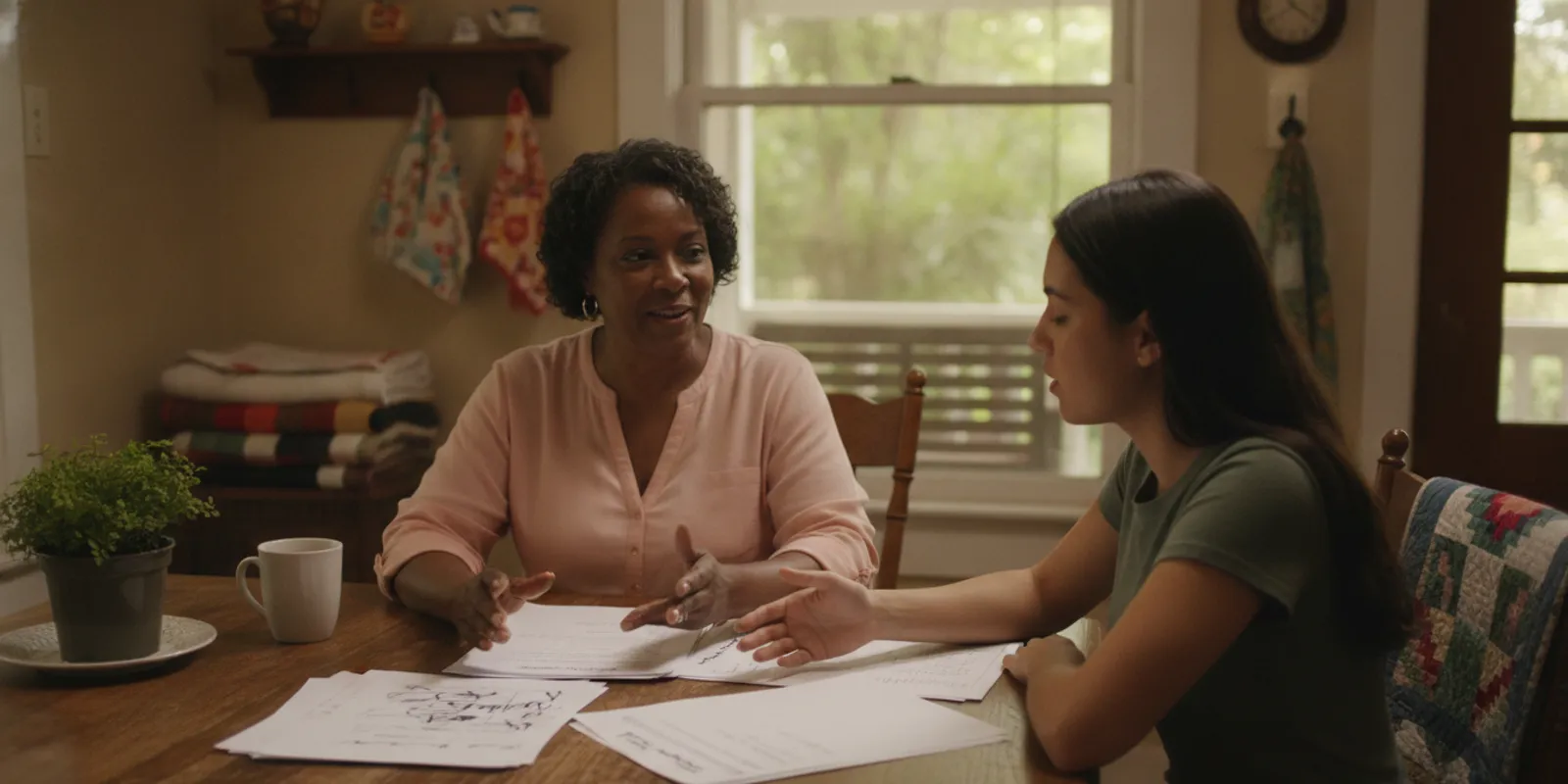
If you are asking, “how does lease to own work for a house,” the short answer is that you rent a home under a written agreement that may give you a right—or an obligation—to buy it later. You pay rent during the lease, and the contract spells out the purchase price or how it will be set, the deadline, and any rent credit or option fee. The details matter: not every lease-to-own arrangement works the same way.
Talk through your home options
How does lease to own work for a house?
A lease-to-own arrangement combines a rental period with a possible future home purchase. The parties agree on the lease terms and the purchase terms in writing, including whether the renter has an option to buy or must buy. The renter pays rent and may pay an additional fee or receive a rent credit, but those amounts are not automatically refundable or applied to a purchase.
People use “lease to own” as a broad label. The contract may be an option-style agreement, a purchase-obligation agreement, or a lease paired with a separate purchase document. Those differences can affect the renter’s choices, financial risk, and what happens if the purchase does not close. Ask for the actual documents and identify the legal effect of each term instead of relying on the label.
A common outline looks like this:
- Discuss fit and terms. The renter and owner identify the home, rental period, proposed purchase price or pricing method, and key deadlines.
- Review and sign the documents. The written lease and purchase-related terms should clearly state each party’s obligations. Independent legal advice can help explain what the documents mean.
- Move in and pay rent. The renter pays the rent and other agreed charges on schedule and follows the lease conditions.
- Prepare for the decision. During the rental period, the renter can work on savings, financing, and due diligence, while keeping track of required notices and dates.
- Exercise the option or meet the purchase obligation. If the terms and the renter’s plans align, the parties follow the contract’s notice, financing, closing, and transfer process.
These are general steps, not a substitute for reading the specific contract. If you want a local overview of available arrangements, review lease-to-own homes in the Shreveport-Bossier area and ask questions before deciding whether a particular home or contract fits.
What is the difference between a lease-option and a lease-purchase?
The key difference is whether the renter can choose not to buy or has agreed to buy under the contract. A lease-option generally gives the renter a defined opportunity to purchase during a stated period; a lease-purchase may create a stronger commitment to complete a purchase. Names alone do not settle the question, so have the exact language reviewed before signing.
An option agreement commonly sets out how and when the renter may exercise the right to buy. It may include an option fee and a deadline for written notice. The contract should explain what happens to the fee if the renter proceeds, does not proceed, or misses a deadline. Do not assume the fee will count toward the down payment or be returned.
A lease-purchase arrangement may bind both sides to a future sale, though the documents control the exact obligations and remedies. Before accepting that commitment, understand what happens if financing is unavailable, the home’s condition changes, a deadline is missed, or either party cannot complete the transaction. A real estate attorney can explain the legal consequences for your situation.
Ask the owner or professional helping with the transaction to identify the agreement type in plain language. Then confirm it with your own qualified adviser. If the deal includes a lease and a separate purchase agreement, review both together. A promise made in conversation cannot replace clear written terms.
Which terms should you compare before signing?
Compare the total cost and each deadline, not only the monthly rent or the advertised purchase price. A clear agreement explains the rent, extra fees, purchase price or pricing formula, rent-credit rules, maintenance duties, notice process, and what happens if a party does not perform. Ask questions until you can describe the cost and your choices without guessing.
| Term | What to check | Why it matters |
|---|---|---|
| Purchase price | Is it fixed now, based on a formula, or set later? Are repairs or valuation disagreements addressed? | You need to understand how the future price is reached and what uncertainty remains. |
| Option fee or upfront payment | How much is due, when is it paid, and when may it be credited or retained? | An upfront amount may be at risk if you do not buy, depending on the contract. |
| Monthly rent and credits | What is the rent? Is any portion credited to a purchase, and what conditions apply? | A credit may depend on timely payments, exercising the option, or closing by a deadline. |
| Term and key dates | When does the lease end? When and how must you give purchase notice? | Missing a required date can affect your rental rights or purchase opportunity. |
| Repairs and upkeep | Who handles routine maintenance, major repairs, and agreed improvements? | Responsibility can differ from a typical rental and affect your budget. |
| Closing and financing | What must happen before closing, who pays which costs, and what if financing falls through? | The contract should explain the path from rental period to completed sale. |
Ask for a complete written estimate of the money due at signing and during the lease. Separate recurring rent from one-time payments and contingent credits. Compare the purchase price with current comparable homes and consider whether the price still makes sense if the market changes. An agreed price can feel attractive today but may become high relative to the home’s condition or later alternatives.
For a sense of how ordinary rental terms can vary, the U.S. Bureau of Labor Statistics describes lease durations in its report on housing leases in the U.S. rental market. That report is general rental-market context, not a guide to the legal terms of a lease-to-own contract. Your own written agreement is what you need to assess.
How can you decide whether the numbers work?
Build a cautious budget that assumes no rent credit unless the contract clearly provides one and you meet its conditions. Add the rent, upfront fee, utilities, insurance, maintenance obligations, savings for a down payment, and likely purchase and closing expenses. Then compare that total with renting without a purchase arrangement and with pursuing a mortgage-ready purchase on a different timeline.
Use a simple comparison before committing:
- Cash due now: List the first rent payment, deposit, option fee, and other charges separately.
- Cash due each month: Include rent, utilities, insurance, and any maintenance amount you are responsible for.
- Possible purchase funds: Estimate the amount you may need for down payment, closing, inspection, and lender requirements. Verify estimates with appropriate professionals.
- Money at risk: Identify payments you could lose if you do not buy, cannot qualify, or miss a contract requirement.
- Alternative cost: Compare the arrangement with a standard rental and with buying another home when you are financially ready.
Do not treat a future rent credit as savings you already own. Check whether it is earned monthly, whether late payment cancels it, and whether it is available only at closing. Likewise, ask whether an option fee is refundable, credited to the sale, or retained if you walk away. If any part is unclear, get clarification in writing before paying.
Financing is another essential part of the plan. A future purchase may require lender approval, a suitable appraisal, acceptable property condition, and funds for closing. Speak with a lender about the likely requirements and timeline for your circumstances. Do not assume that renting the home means you will automatically qualify to buy it later. Ask what documents, income history, credit profile, and savings a lender may need to review, and set a date well before the purchase deadline to check progress. If your plan relies on improving finances during the lease, identify practical steps and a backup plan in case the timeline slips.
Compare this route with waiting to buy. A lease-to-own arrangement may make sense when the home and written terms are suitable and you have a credible plan to meet the purchase conditions. It can add cost and risk when you are unsure about the neighborhood, cannot estimate the total cash needed, or would lose a significant fee if your plans change. The decision should rest on the specific home, contract, and budget—not just the hope of owning later.
What should you inspect and verify about the home?
Consider the home as both a place to live and a possible future purchase. Review its condition before moving in, document existing problems, and understand which party must address repairs. Verify ownership and confirm that the person signing can make the commitments in the agreement. If you plan to buy, arrange appropriate inspections and professional review rather than relying only on a walkthrough.
Write down the home’s visible condition, including appliances and fixtures, and keep dated photographs if appropriate. The lease should identify the process for reporting maintenance issues and clarify responsibility for repairs. If the renter is asked to handle large repairs or improvements, understand whether the work is required, whether permission is needed, and whether any investment is reimbursed if no sale occurs.
Ask whether there are restrictions, unpaid obligations, title issues, or other matters that could affect a future sale. A title professional or attorney can help identify what records and checks are appropriate. Confirm that the purchase documents describe the correct property and match the lease. Do not pay a substantial fee based only on a verbal promise that the owner will sell later.
People searching across Northwest Louisiana may also compare neighborhoods and property types before choosing a rental or purchase path. These guides can help orient a broader search: the Bossier Parish property guide, living in Shreveport, and homes for sale in Bossier City. Verify current facts about any specific property independently.
What happens if you do not buy the house?
The result depends on the agreement. In an option-style deal, the renter may be able to leave without buying, but could lose an option fee or any rent credits, and still must meet lease obligations. A purchase-obligation contract may carry different consequences. Before signing, ask what happens in each scenario and have a Louisiana attorney explain the terms and applicable process.
Talk through realistic situations before they occur: you cannot qualify for a mortgage by the deadline; you decide the price no longer works; the home needs an unexpected repair; you need to move; or the owner does not complete a required step. Ask what notice is required, how disputes are handled, whether the rental ends on a set date, and whether any payment is returned or forfeited.
Keep copies of the signed documents, payment records, repair requests, and written notices. Use the delivery method and timing required by the contract, and retain proof that notice was sent. If circumstances change, seek advice early. Waiting until the last day can reduce the options available under the written terms.
A lease-to-own plan is not automatically safer or less expensive than renting and buying separately. It may suit someone who needs time to prepare for a purchase and understands the contract’s risks. It may be a poor fit if the price, financing plan, property condition, or loss exposure is uncertain. Compare choices without assuming that the future sale is assured.
How can you take the next step in Shreveport-Bossier?
Start with your priorities: where you need to live, how long you expect to stay, what monthly payment is manageable, and when you could be ready to buy. Then review the specific home and written terms with appropriate financial and legal professionals. A conversation about local options can help you identify questions to investigate, but the contract and your own circumstances should guide the decision.
Before contacting anyone, gather the proposed lease and purchase documents, the payment schedule, the home address, and a list of unanswered questions. Ask how the purchase price is determined, what happens to each upfront payment, which repairs are yours, and which dates require action. If you are still comparing homes, review local buying and selling options and keep your search within the neighborhoods that meet your needs.
Schedule a conversation about your options
Frequently asked questions
Lease-to-own questions usually come down to choice, money, timing, and responsibility. The agreement controls the answers, so use these short explanations as a starting point and confirm every point in the documents and with qualified local advisers.
Do lease-to-own payments automatically count toward the purchase?
No. Rent is normally rent unless the written agreement clearly creates a purchase credit and explains how it is earned and applied. An option fee may also be treated separately. Verify all amounts, conditions, and outcomes in writing.
Can the renter decide not to buy?
That depends on the agreement type. An option-style arrangement may allow the renter to decline to purchase, while a lease-purchase may create a commitment. Read the documents and have an attorney explain the consequences before signing.
Should the renter get a home inspection?
It is prudent to understand the home’s condition before taking on a future purchase plan. Ask what inspections are allowed, who pays, and how repairs are handled. A qualified inspector can assess condition; a legal adviser can explain how inspection findings affect the documents.
What if the renter cannot get financing by the deadline?
Check the contract for the required closing date and any terms addressing financing difficulties. Do not assume the deadline will automatically be extended or that payments will be returned. Discuss financing early and seek legal advice as soon as a problem appears.
The most useful next step is to compare the written terms, the home’s condition, and your realistic budget before paying an upfront fee or committing to a future purchase.