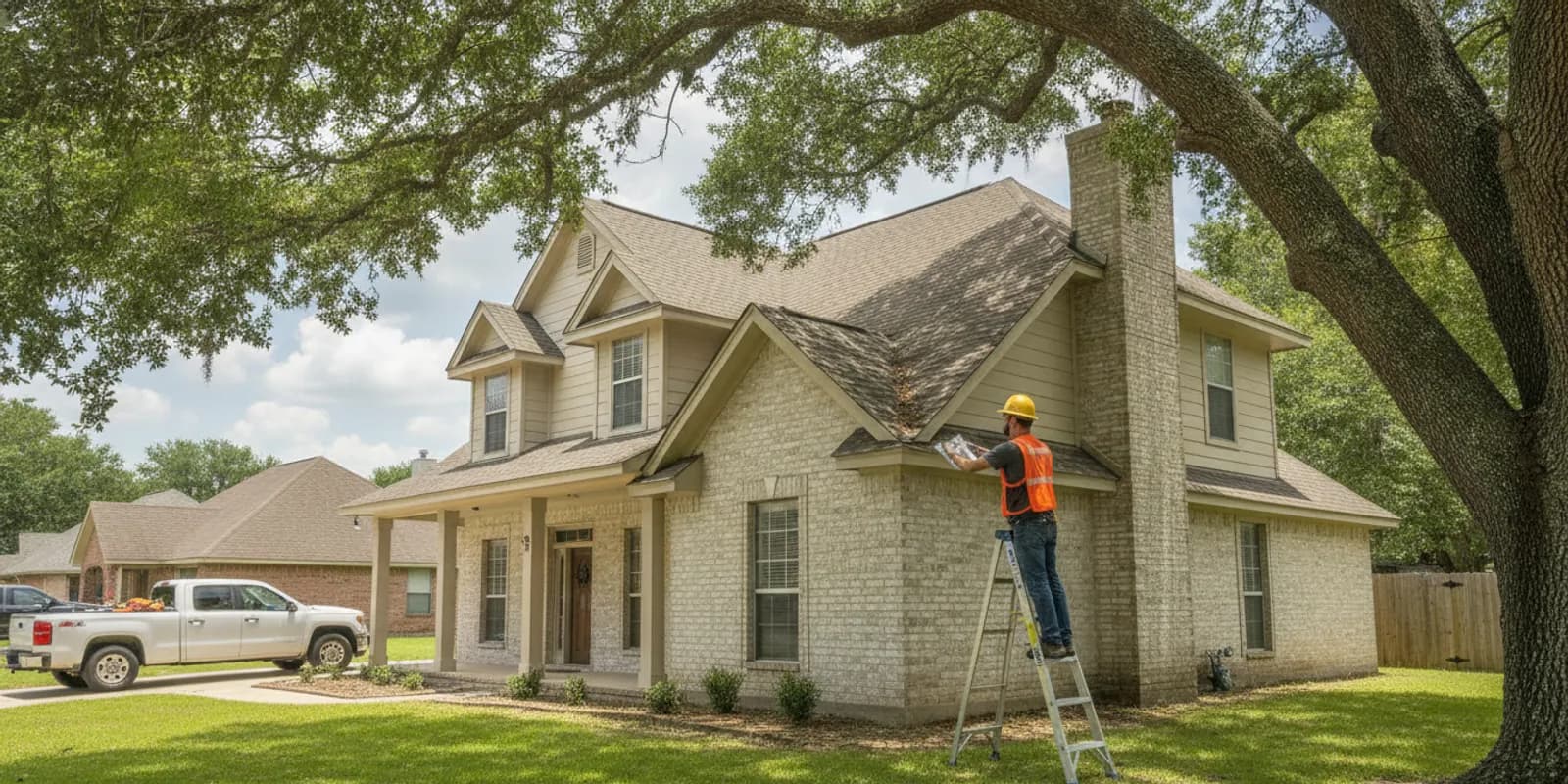
A thorough inspection can help you understand a home’s condition before you commit. Use this Bossier City home inspection checklist to prepare questions, notice visible concerns, and organize follow-up. It is buyer education, not a substitute for a qualified home inspection or specialist advice.
Discuss your home-buying questions
What does a home inspection checklist help you do?
A checklist helps you observe and ask focused questions, while a professional inspection provides a systematic review of accessible components. The written report should describe findings, limitations, and recommended follow-up. No checklist or inspection can establish that a home is free of defects or future repair needs.
Take notes and ask for plain-language explanations. Do not treat one observation as a diagnosis. A stain may have several causes, so let the inspector explain what was visible and whether a specialist should investigate.
For broader purchase information, review L&N Associates’ buying and selling information and the Bossier City home buyer guide.
Which areas should buyers examine first?
Start with major systems and the paths water takes around and through the home. Structure, roof, drainage, moisture, heating and cooling, plumbing, and electrical components can affect repair planning and daily use. Ask what was accessible, operated, and observable.
| Area | What to observe or ask | Useful follow-up |
|---|---|---|
| Structure | Cracks, uneven floors, sticking doors, or movement | Ask whether a structural specialist is appropriate |
| Roof and exterior | Wear, flashing, gutters, trim, and access | Ask about limitations and remaining service life, if assessable |
| Drainage and moisture | Slope, downspouts, standing water, stains, and odor | Ask about possible sources and further evaluation |
| HVAC | Operation, visible condition, filters, and records | Ask whether an HVAC technician should assess it |
| Plumbing | Leaks, pressure, drainage, fixtures, and visible lines | Ask about inaccessible piping |
| Electrical | Panel, outlets, switches, and visible wiring | Ask whether an electrician should review a concern |
This sequence is a practical starting point, not a ranking. Conditions affecting safety, water intrusion, system function, and repair decisions deserve clear explanations. Limitations are important because they show where another evaluation may be needed.
What should you check about the structure and roof?
Look for patterns instead of trying to judge a crack or surface condition yourself. Ask what was observable and whether finishes, furnishings, insulation, or stored items limited access.
- Foundation and framing: Note cracks, separation, sloping floors, or doors and windows that bind. Ask whether observations are isolated or repeated.
- Roof: Ask about covering damage, flashing, valleys, penetrations, and the inspection method. Do not assume a roof was fully evaluated if it could not be safely accessed.
- Attic and ceilings: Ask about stains, ventilation, insulation, and prior leaks when accessible.
- Exterior walls and openings: Review siding or masonry, trim, and areas where water could enter.
- Porches and attached structures: Ask about posts, railings, steps, decking, and visible connections.
Request the location, evidence, possible consequence, and recommended next step for each concern. If a report recommends a structural engineer, roofer, or other specialist, arrange an evaluation within the inspection period when possible.
How do drainage and moisture deserve attention in Bossier City?
Water management deserves a deliberate look. Observe whether ground slopes toward or away from the foundation, whether downspouts discharge near the house, and whether there are signs of recurring dampness. These observations prompt questions; they do not prove a particular problem.
- Ask where gutters and downspouts direct roof runoff.
- Note standing water, erosion, wet areas, or landscaping that conceals the foundation.
- Look for stains, peeling finishes, damaged flooring, or a persistent musty smell.
- Ask whether prior water entry was observed and whether the source could be confirmed.
- Check accessible under-sink areas and utility spaces for leaks or corrosion.
- Ask whether grading or crawl-space conditions limited the review.
Request records of past water entry, repairs, and maintenance. A repaired area still deserves questions about the original cause, work performed, and invoices or warranties. Use a qualified professional to determine cause and scope when moisture is suspected.
What flood-related questions should a buyer ask?
A home inspection is not a flood-risk determination. Do not rely on neighborhood appearance or casual conversation. Ask what property-specific maps, insurance information, prior claims, disclosures, repair records, elevation documents, and drainage records are available.
For inspection-readiness context, the Bossier Parish Community College home inspection program describes residential inspection training and common inspection subjects. It is educational context, not a property-specific inspection, flood determination, or transaction recommendation.
Keep flood questions separate from ordinary maintenance questions. Ask your real estate professional, insurance agent, and relevant public authority the questions within each person’s role. Written answers and supporting records are easier to compare than assumptions from a quick walkthrough.
What should you ask about HVAC, plumbing, and electrical systems?
Ask what was operated, what could not be tested, and what needs specialist attention. An inspection report describes observed condition and limitations; it does not promise that a system will never fail or provide a repair quote.
Heating and cooling
Ask whether systems responded to normal controls, whether visible components appeared damaged, and whether access restrictions affected the review. Request installation, service, and repair records. A licensed HVAC technician should evaluate performance or safety concerns when recommended.
Plumbing
Note leaks, slow drains, odors, or fixtures that do not operate as expected. Ask about accessible piping, water heater condition, shutoff locations, and limitations. Do not open concealed areas or attempt repairs during the inspection.
Electrical
Ask about concerns at the panel, receptacles, switches, or visible wiring. Do not remove panel covers or attempt electrical tests. Have a licensed electrician review issues identified for additional evaluation.
Appliances and safety devices
Ask which included appliances were operated and whether limitations were noted. Confirm that smoke alarms, carbon monoxide alarms, handrails, guards, and garage safety features receive appropriate attention when accessible.
Which documents should buyers request?
Records fill in details that a one-time inspection cannot establish. Ask for documents relevant to the home’s history, systems, and known repairs, then compare them with the report.
- Seller disclosures and records of water entry, storm damage, or significant damage.
- Invoices, permits, warranties, and contractor details for major repairs or renovations.
- Roof, HVAC, plumbing, and electrical maintenance records.
- Appliance manuals and service records for included items.
- Insurance, flood-related, drainage, or elevation documents relevant to the property.
- Existing inspection reports, including their date, scope, and limitations.
- Records for septic systems, wells, generators, pools, or outbuildings when applicable.
Documents may be incomplete, and an old report may not describe current conditions. Ask questions when dates, work descriptions, or outcomes are unclear. Technical conclusions belong with qualified inspectors and specialists.
How should you compare findings and decide what to do next?
Sort findings by safety, potential damage, system function, and routine upkeep. Clarify evidence and next steps so you do not treat every maintenance item as a major defect or overlook an urgent concern.
- Read the full report. Review detailed notes, photographs, limitations, and excluded areas.
- Clarify uncertainty. Ask what was observed, what could not be confirmed, and who can answer the remaining question.
- Separate evaluation from pricing. A contractor or specialist describes scope, timing, and cost; an inspection report is not a repair estimate.
- Compare significant evaluations. For structural, moisture, roofing, or system concerns, understand the scope of recommended reviews.
- Check deadlines. Review the purchase agreement and consult real estate and legal advisers about inspection and notice provisions.
- Make an informed decision. Consider findings, records, estimates, insurance information, and personal priorities.
For location research, see the Haughton buyer guide, the Benton and Haughton comparison, and the investment property analysis guide. These resources support area or financial research, while inspection decisions remain tied to the individual property.
How can you prepare for the inspection appointment?
Confirm the date, duration, access arrangements, and included areas. Ask whether utilities should be active, whether prior reports should be shared, who may attend, and when the final report will arrive.
- Bring a notebook for questions and locations.
- Wear practical clothing, but do not enter unsafe or restricted areas.
- Ask whether questions are best during the walkthrough or at the end.
- Request an explanation of urgent items before cosmetic maintenance.
- Keep the purchase agreement and inspection provisions available.
Let the inspector perform technical work. Do not climb onto a roof, enter a confined space, open electrical equipment, move heavy belongings, or disturb suspected hazardous material. A limitation is useful because it identifies where another evaluation may be necessary.
Preparation also means setting realistic expectations. The inspector observes conditions at a particular time and under available access. Seasonal operation, concealed defects, future deterioration, and repair pricing may require separate questions. A careful buyer records what is known, what is uncertain, and who should answer each unresolved issue.
Before responding to a report, reread the relevant purchase provisions and note dates. Make a short list of questions grouped by urgency, evidence, and next action. This keeps a conversation focused and helps prevent a cosmetic item from overshadowing a safety or water concern.
How can buyers keep inspection follow-up organized?
A simple issue log makes it easier to move from report observations to decisions. Record each item separately rather than combining unrelated concerns into one broad request. This helps you remember what needs a specialist, what needs documentation, and what may be routine upkeep.
For each item, capture the room or exterior location, the report page or photograph, the observed condition, any access limitation, and the next person to contact. Add a date for follow-up and note when you receive an answer. Avoid writing a diagnosis unless a qualified professional has provided one.
| Follow-up field | Example entry | Why it helps |
|---|---|---|
| Location | South wall near a window | Helps everyone discuss the same finding |
| Report detail | Photograph and page reference | Connects the question to the inspector’s observation |
| Open question | Is further moisture evaluation recommended? | Keeps uncertainty explicit instead of assuming a cause |
| Next contact | Inspector or qualified specialist | Routes the question to an appropriate person |
| Timing | Before the contract notice date | Supports timely coordination with advisers |
Share only relevant report sections when requesting a specialist’s view, and ask whether the specialist needs a site visit or additional records. Keep estimates, invoices, and written explanations together. If an answer changes your understanding of a concern, update the log and discuss the implications with the appropriate transaction adviser.
What practical limits should buyers remember?
An inspection is a visual review of accessible conditions on a particular date, not an exhaustive opening of walls or guarantee of future performance. Weather, utility status, stored belongings, locked spaces, and safety restrictions can affect what a professional can observe. The report’s scope and limitations help define what it can and cannot tell you.
Also distinguish a home inspection from specialized tests. Questions about pests, hazardous materials, sewer lines, wells, septic systems, roof certification, or flood exposure may require a separate professional or records review. Ask the inspector which concerns fall outside the agreed scope and obtain recommendations in writing when practical.
For a second opinion about the checklist’s general inspection themes, BPCC’s home inspection training overview discusses residential construction inspection and common defects. It does not replace the property inspector’s report or determine whether a specific home is suitable for you.
Keep decisions grounded in the actual report, property documents, contract timing, and independent professional advice. That process is more useful than treating a checklist as a score or assuming that a single observation tells the whole story.
Browse more local real estate guides and the about page for further context on local buying resources.
Talk through your buying questions
Frequently asked questions
Does this checklist replace a licensed home inspection?
No. It is a preparation aid. A qualified home inspector should review accessible components and provide a report with limitations and recommended follow-up.
Should I attend the inspection?
Ask the inspector and review the purchase agreement. When attendance is permitted, you can learn about systems and ask questions, but the written report remains important.
Does an inspection confirm whether a property will flood?
No. It describes observed conditions at one point in time and is not a flood-risk determination. Request records and consult appropriate official and insurance sources.
What if the report recommends another evaluation?
Contact the qualified specialist named in the report, share the relevant findings, and request an independent assessment. Review timing and contract deadlines with your advisers.
Can an inspection predict future repair costs?
No. The report may identify visible conditions, but a contractor or specialist must evaluate scope and provide an estimate. Cost depends on access, materials, urgency, and underlying conditions.
A careful inspection process gives you clearer questions and a better basis for weighing a home’s condition, records, insurance considerations, and next steps.