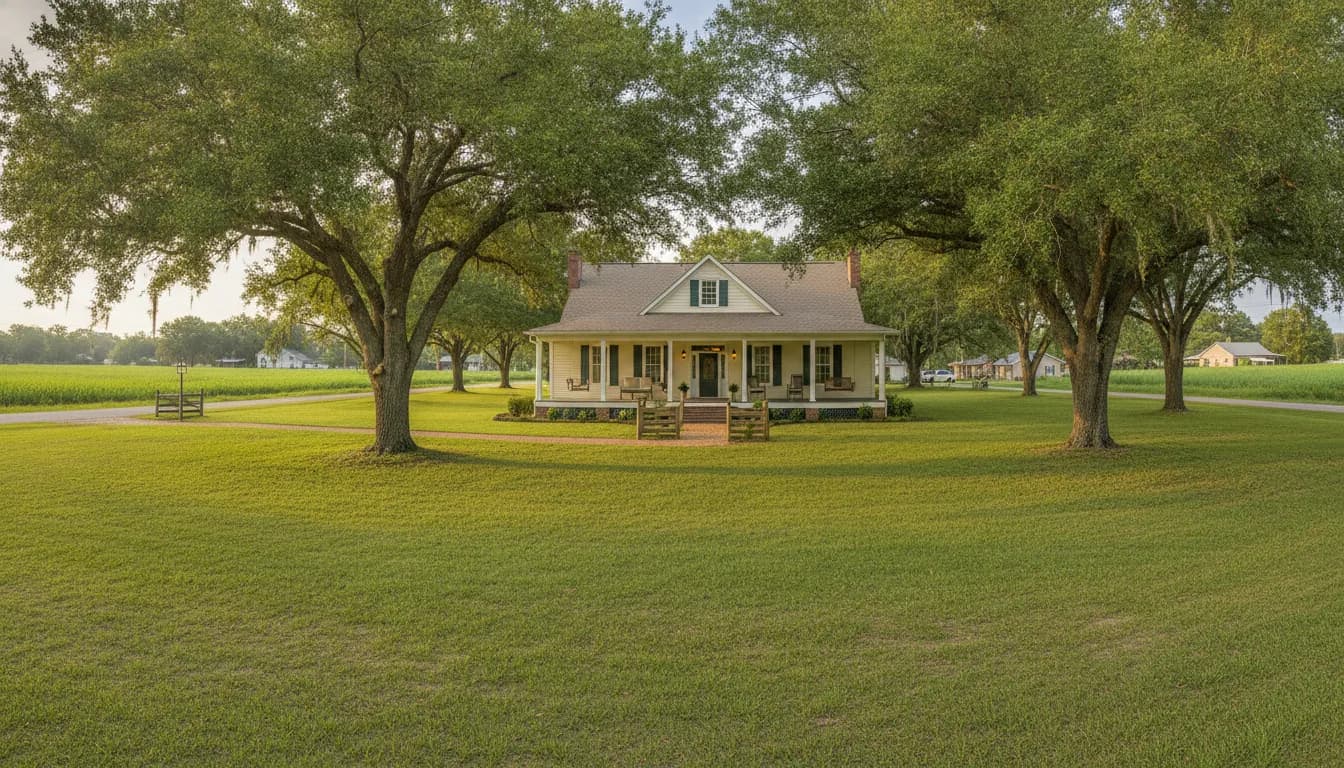
Buying in a small town or rural area takes more than scanning listing photos. The right home also needs to fit your budget, daily travel, preferred property type, and comfort with questions such as access, utilities, internet service, and ongoing maintenance. A careful search helps you compare those factors before a promising property becomes an expensive surprise.
When evaluating homes for sale in Plain Dealing Louisiana, start with clear criteria and lender-verified budget guidance. Then compare each listing's location, condition, infrastructure, restrictions, insurance needs, and long-term fit through listing-specific due diligence.
Plain Dealing is a Bossier Parish community north of Bossier City. Rural properties may require a different evaluation process than a typical in-town home. Defining what you need before searching makes it easier to use alerts, review property details, and focus your questions. From there, a structured search can connect your priorities with the homes and land categories worth comparing.
Discuss your Plain Dealing home search with L&N Associates.
How Do You Search for Homes for Sale in Plain Dealing Louisiana?
To search responsibly, start with clear buyer criteria, confirm your budget with a lender. And use current MLS listings and customized alerts rather than relying on an old search result. Review each property individually for location, condition, access, utilities, insurance, and long-term fit. A local agent can help organize the search without treating every listing as interchangeable.
Start with criteria you can actually use
Before opening a listing portal, write down the features that matter most. Consider the number of bedrooms and bathrooms, floor plan, yard or land needs, preferred property type, and any must-have amenities. Then separate essentials from preferences. That distinction helps you compare homes consistently when a property meets some, but not all, of your goals.
Budget should include more than the purchase price. Discuss down payment, closing costs, insurance, inspection expenses, maintenance, and other likely ownership costs with the appropriate professionals. A lender can explain what you may qualify for and how a specific property could affect the financing process. Do not treat an online payment estimate as a pre-approval.
Use current search tools and alerts
For a small-town and rural search area, inventory can change, and some properties may require a closer review of location and features. MLS access and real-time alerts can help you see new or changed listings as they become available. Customize the search by price range, property type, location, land preferences, and other criteria, then adjust the filters if the results are too broad or too narrow.
Search results are a starting point, not a complete evaluation. Confirm whether a listing is still active, review the full property information, and ask questions about details that are important to your decision. Availability, pricing, acreage, utilities, school assignment, zoning, and rural services must be verified for each property. Plain Dealing is a rural-focused community north of Bossier City, so the right search may involve comparing commute needs with land, privacy, access, or outbuilding preferences.
Set a timeline and a review process
Tell your agent whether you are researching, planning a move, relocating, or ready to tour. A clear timeline helps determine when to arrange pre-approval, when to schedule showings, and how quickly to review a new listing. Remote buyers may also benefit from virtual tours or video walkthroughs.
When your criteria, budget, property type, and timeline are defined, contact L&N Associates to discuss a practical search plan. The goal is not simply to find a listing. It is to identify properties worth investigating and give you enough information to decide whether each one fits.
What Types of Homes and Land Should Buyers Compare?
Buyers should compare each property type against the same practical questions: Does it fit the intended lifestyle, budget, financing plan, maintenance capacity, and timeline? Existing homes, acreage, manufactured or modular homes, new construction, and vacant land can create very different responsibilities. Availability and suitability are listing-specific, so review each option with the appropriate lender, inspector, surveyor, contractor, or other qualified professional.
| Property type | Compare first | Questions to verify |
|---|---|---|
| Existing single-family home | Condition, layout, repairs, utilities, insurance, and total ongoing cost | What inspections, improvements, and lender requirements may apply? |
| Home with acreage | Access, boundaries, drainage, usable land, maintenance, and intended use | Are roads, fencing, water, septic, restrictions, and permitted uses clear? |
| Manufactured or modular possibility | Foundation, condition, land ownership, installation, financing, and insurance | Will the property and improvements meet the lender's and insurer's requirements? |
| New construction, if encountered | Builder terms, timeline, specifications, warranties, utilities, and final costs | What is included, what remains to be completed, and how will it be inspected? |
| Vacant land or property with outbuildings | Access, zoning, utilities, soil, structures, maintenance, and future plans | Can the intended home, business, agricultural use, or outbuilding be permitted? |
Existing homes and homes with acreage
An existing single-family home may offer a clearer picture of the current layout, finishes, systems, and repair needs. Compare more than the list price. Consider the age and condition of the roof, heating and cooling equipment, plumbing, electrical systems, drainage, driveway, and other major components. An inspection can help identify issues, but buyers should also ask how repairs could affect insurance, appraisal, and financing.
A home with acreage adds another layer of analysis. Determine which portions are usable, how boundaries are established, and whether the property is reached by a public or private road. Maintenance can include driveways, fences, trees, drainage, and outbuildings. Confirm restrictions and permitted uses before assuming the land will support animals, additional structures, recreation, or future development.
Manufactured, modular, new construction, and land options
Manufactured and modular homes should be evaluated by their construction, foundation, land arrangement, condition, utility connections, and financing requirements rather than by the label alone. A lender and insurance professional can explain how the specific home and land will be treated.
New construction, when encountered, calls for a careful review of the builder agreement, specifications, allowances, completion schedule, warranty coverage, utility plan, and independent inspection options. Vacant land or a property with outbuildings requires the most attention to intended use. Verify access, utilities, septic or sewer, water, zoning, restrictions, soil or drainage conditions. And the condition and legality of existing structures before making assumptions about what can be built or used.
Which Rural Property Details Need Extra Due Diligence?
When evaluating rural homes, verify the parts of the property that a listing cannot fully explain: legal access. Utilities, water and wastewater systems, drainage, flood exposure, boundaries, permitted uses, connectivity, insurance, condition, and lender requirements. Seller disclosures provide important information, but they do not replace independent inspections, records research, or advice from qualified professionals.
Rural property can offer privacy and flexibility, but its systems may differ from those in a subdivision. Before making an offer, treat the following as a property-specific checklist rather than assumptions about every home in the Plain Dealing area.
Access, utilities, and water systems
Confirm how you legally reach the property and who maintains the road. A visible driveway is not the same as a recorded access easement, and a private road may involve shared maintenance responsibilities. Ask whether the route remains usable in the conditions that matter to you, including heavy rain, and have an attorney or title professional review recorded rights when necessary.
Identify every utility serving the home. Verify whether electricity, natural gas, propane, or another fuel source is available, where service lines run, and whether there are connection or maintenance responsibilities. If the property uses septic, request available records and have the tank, drain field, and overall system evaluated by an appropriately qualified professional. If it uses a private well, arrange for a water-quality test and inspection of the well equipment. If sewer service is available, confirm the connection and any related obligations instead of assuming the service extends to the property.
Drainage, flood exposure, and insurance
Look beyond the structure itself. Observe how water moves across the land, ask about past flooding or standing water, and investigate drainage features, ditches, culverts, and nearby waterways. The CFPB says buyers can ask the current owner about flood and other disaster risks before making an offer, and recommends considering an inspection clause. Read its flood and disaster risk guidance before writing terms.
Do not treat a lower-risk map designation as a guarantee that flooding cannot occur. FEMA notes that a lender may still require flood insurance in some moderate-to-low hazard areas. While the CFPB explains that standard homeowners insurance typically does not cover the additional cost of flood insurance. Request an insurance quote early and ask the lender and insurance agent what coverage is required. FEMA's real estate lending and insurance guidance can help frame those questions.
Boundaries, restrictions, and practical livability
Obtain and review a current survey when appropriate. Compare the legal description, visible markers, fences, driveways, structures, and any claimed acreage. A surveyor can help identify encroachments or boundary uncertainty. Also investigate zoning, building restrictions, easements, HOA obligations, and covenants before planning additions, animals, outbuildings, business use, or future construction.
Louisiana law requires a residential seller to complete a property disclosure document in the prescribed form or one containing the commission's minimum language. The disclosure also includes notice about HOA membership and restrictive covenants or building restrictions. Review the document carefully, but remember that it is not a substitute for your own investigation. The statute is available through the Louisiana Legislature.
Finally, test the lifestyle details that may be easy to overlook. Check internet options and cellular reception at the property, not only by ZIP code or provider map. Ask your lender about appraisal, property condition, access, insurance, and utility requirements. Hire a qualified home inspector, and add specialized inspections for septic, well, structural, environmental, or other concerns identified during the process. A real estate professional can coordinate questions and timelines, but inspectors, surveyors, attorneys, lenders, and insurance professionals should provide advice within their fields.
How Should You Prepare Financing Before Touring?
Before touring homes, speak with a lender and establish a realistic purchase budget. A pre-approval helps show what you may be able to afford, clarifies the funds needed up front, and keeps property searches focused. It is not a guarantee of approval, so keep verifying the home's condition, insurability, and lender requirements as you evaluate each property.
Start with a lender pre-approval
A lender can review your income, assets, debts, credit profile, and documentation, then explain the loan options that may fit your situation. Ask what information must be updated before making an offer and how long the pre-approval remains useful. If your circumstances change, tell the lender promptly. A real estate professional can help coordinate the pre-approval process with lender partners, but the lender makes the financing decision.
First-time buyers may want to ask whether an FHA-approved lender, a VA loan, or a down-payment-assistance program could apply. These are possibilities, not automatic benefits. Eligibility, property requirements, documentation, and program terms must be confirmed directly with a qualified lender. Buyers should also ask whether a selected property type is eligible for the financing they are considering.
Budget for more than the purchase price
Your planning should include the down payment and closing costs, along with expenses that may arise after closing. Depending on the property, the overall budget may need to account for inspections, appraisal, survey work, title services, insurance, prepaid items, moving costs, and repairs. Ask the lender for a written estimate of expected transaction costs and clarify which figures could change.
Insurance deserves attention early, especially when comparing rural properties. A lender may require proof of coverage before closing, and the availability or cost of coverage can depend on property characteristics and location. Ask about homeowners insurance, flood exposure, and any additional coverage that may be needed. The lender and insurance professional can explain the requirements for a specific address.
Understand how the property affects financing
An appraisal helps the lender evaluate the property that will secure the loan. The lender may also require inspections, repairs, documentation, or other conditions before closing. Rural properties can involve details that deserve early review, such as private roads, septic or sewer systems, wells, drainage, outbuildings, access, boundaries, and utility connections. These features are not automatically problems, but they can affect valuation, insurance, lender approval, or the cost of ownership.
Bring your financing questions to the touring process. Share your budget, down payment plan, property preferences, and timeline with your agent and lender. That preparation helps you compare homes for sale in Plain Dealing Louisiana based on both lifestyle fit and the total financial commitment. Rather than focusing on the list price alone.
What Is the Plain Dealing Home-Buying Process?
Answer: Buying a home in Plain Dealing usually starts with clear criteria and lender pre-approval. Then moves through a focused property search, showings, offer preparation, inspections, appraisal, title and insurance review, and closing. Buyers relocating from elsewhere can use virtual tours and video walkthroughs to evaluate homes before traveling.
A practical process keeps the search grounded in what you can afford, how you plan to use the property, and which details require professional review. That matters especially when comparing small-town or rural homes, where access, utilities, internet service, drainage, and insurance can vary from one property to another.
- Define your criteria and timeline. Begin with the decisions that will shape the search: location, property type, bedrooms and bathrooms. Floor plan, yard or land needs, commute, amenities, budget, down payment, and closing-cost expectations. Identify everyone involved in the decision and distinguish must-haves from preferences. A clear timeline also helps your agent and lender understand how quickly you need to move without creating unnecessary pressure.
- Obtain lender pre-approval. Speak with a lender before touring seriously. Pre-approval helps establish a realistic purchase range and provides a starting point for discussing down payment and closing costs. Depending on your circumstances, a lender may discuss FHA, VA, or down-payment-assistance options, but eligibility, program terms, and approval remain lender decisions. L&N Associates can coordinate pre-approval with lender partners and help first-time buyers connect with FHA-approved lenders.
- Build and refine the search. Your agent can use customized matching, MLS access, and real-time alerts to identify properties that fit the criteria. Ask questions about roads, utilities, septic or sewer systems, well water, zoning, restrictions, internet, cellular service, and insurance as listings become serious candidates. Do not assume that a search result represents current availability, pricing, or suitability until the listing and property details are verified.
- Review homes through showings or remote tools. In-person showings help you assess layout, condition, surroundings, access, and practical fit. If you are relocating or cannot travel, request a virtual tour or detailed video walkthrough. Ask the person conducting the tour to show entry points, mechanical areas where appropriate, views from the property, road access, and any features that affect daily use. Remote support can narrow the list, but it does not replace an independent inspection.
- Prepare an offer with appropriate conditions. Once a property fits your goals and financial parameters, your agent can help organize the offer for your review. Discuss price, deadlines, included items, financing terms, and contingencies with the appropriate professionals. An inspection clause can help protect your ability to investigate condition before completing the purchase. Flood and disaster risk should also be discussed before making an offer, not after contract deadlines become urgent.
- Complete inspections and property due diligence. Use qualified inspectors and other professionals to examine the property and its setting. Review access, boundaries, drainage, flood exposure, utilities, septic or sewer, well water, restrictions, and permitted uses. Louisiana residential disclosure documents address required seller disclosures, including notice about homeowners' association membership and restrictive covenants. Read the disclosure carefully, then ask follow-up questions and verify important information independently.
- Finish appraisal, title, insurance, and lender review. The lender may require an appraisal and documentation about the property's condition, title, insurance, or other requirements. Confirm coverage and costs with an insurance professional, including whether flood insurance is required or advisable. The Consumer Financial Protection Bureau notes that flood insurance is generally required for a mortgaged home in a designated Special Flood Hazard Area. While standard homeowners insurance typically does not cover it. Flooding can also occur outside high-hazard areas.
- Review final documents and close. Before closing, review the settlement figures, title documents, loan documents, insurance arrangements, agreed repairs, and any remaining conditions with the relevant professionals. Complete the final walkthrough and raise discrepancies promptly. Once the closing process is completed and documents are signed, retain your records and confirm how keys, access codes, utilities, and any included items will be transferred.
The sequence is straightforward, but the details should be tailored to the property and the buyer. A local representative can help coordinate searches and appointments while qualified lenders, inspectors, insurers, surveyors, and title professionals handle their specialized reviews.
How Can Buyers Compare Location and Long-Term Fit?
Compare a property by investigating how it will work for your daily life, future plans, and complete housing budget. Review commute, services, school assignment, roads, internet, insurance, resale considerations, and ongoing costs for the specific property. Treat each item as a question to verify, not as a general assumption about Plain Dealing.
Commute is more than a distance estimate. Test the actual route at the times you expect to travel, including work, school, medical appointments, shopping, and regular family activities. Consider seasonal conditions, road maintenance, alternate routes, and whether the drive remains manageable if your job or household schedule changes. A shorter route may not be the most practical if it depends on roads or connections that require additional investigation.
Investigate everyday services and school assignment
Make a written list of the services your household uses most often. Depending on the property and your needs, that may include grocery stores, pharmacies, healthcare, childcare, recreation, dining, public offices, and emergency services. Confirm travel times from the property rather than relying on a townwide description. Ask which services are convenient enough for your routine and which will require planning.
School decisions also need property-specific verification. Confirm the assigned schools and attendance boundaries directly with the appropriate school system or another qualified source before relying on them. Boundaries can differ between nearby properties and can change over time. Do not substitute a school rating, neighborhood reputation, or listing description for confirmation of the current assignment, transportation options, enrollment process, or programs that matter to your household.
Check infrastructure, coverage, and insurance
Ask practical questions about road access, maintenance responsibilities, drainage, utilities, internet providers, cellular coverage, and backup options. Rural or small-town properties can vary substantially, even when they appear close together. Verify available services at the address and confirm connection costs, equipment needs, service limitations. And expected installation timing before treating a property as a fit for remote work, streaming, security systems, or other essential uses.
Insurance belongs in the comparison before you make an offer. Request property-specific guidance on homeowners coverage, flood exposure, wind or storm considerations, deductibles, and any lender requirements. A lower purchase price may not mean a lower monthly or annual cost if insurance, maintenance, road work, utility systems, or travel expenses are higher than expected. Ask qualified insurance and lending professionals to evaluate the address and your financing situation.
Compare resale and total cost, not just today's appeal
For long-term fit, consider who may want the property after you. Features such as access, reliable utilities, usable layout, condition, internet service. And proximity to daily needs can affect the future buyer pool, but no agent can guarantee resale timing or value. Review comparable market information and property history with your real estate professional, then weigh it alongside your own expected time horizon and plans.
Build a side-by-side worksheet for each serious option. Include the purchase price when verified, estimated payment, insurance, taxes, utilities, maintenance, commuting costs, inspection findings, and likely improvements. Record what has been confirmed, what remains unknown, and which professional should answer each question. L&N Associates can help organize a search around your priorities, while you should use inspectors, lenders, insurers, surveyors, and other qualified professionals for specialized conclusions. When you are ready to review criteria, budget, property type, and timeline, contact L&N Associates to begin a practical conversation.
Call L&N Associates at (318) 656-1030 to discuss your buyer criteria and next steps.
Frequently Asked Questions
How do I search for homes for sale in Plain Dealing, Louisiana?
Start by defining your budget, preferred property type, land or yard needs, commute, and timeline. A customized search can use MLS access and real-time alerts, while an agent can help compare listings as inventory changes. Do not assume an online result reflects current availability until it is verified.
What should I check before buying a rural property?
Confirm legal access, utilities, septic or sewer service, well water, drainage, flood exposure, survey and boundaries, zoning, restrictions, internet, cellular coverage, insurance, and lender requirements. Use qualified inspectors, surveyors, insurance professionals, and other specialists for issues outside an agent's role.
How can I prepare financing before touring homes?
Discuss your income, funds for the down payment, closing costs, monthly budget, and property goals with a lender before making offers. Pre-approval can clarify your purchase range. FHA, VA, or down-payment-assistance options may be relevant, but eligibility and terms must come directly from the lender.
What should I ask about flood risk and insurance?
Ask about prior flooding or disaster damage, review available flood information, and request an insurance quote early. Flooding can occur outside designated high-hazard areas, and a lender may require separate flood coverage. An inspection should examine reported damage and repairs before you commit.
Can remote buyers evaluate Plain Dealing properties?
Yes. Coordinated showings, virtual tours, and video walkthroughs can help relocating buyers review properties from a distance. Before relying on a remote review, arrange appropriate inspections and independently verify access, utilities, boundaries, insurance, and other listing-specific details.
Ready to Discuss Your Plain Dealing Home Search?
A focused conversation can help connect your property type, budget, location preferences, and timeline into a practical search plan. To get started, call L&N Associates at (318) 656-1030 to discuss your criteria and next steps.